


Stuck in Overdrive? Spotting the Symptoms of Nervous System Dysregulation in Decatur
Let’s be entirely honest for a moment: life in Decatur is great, but it can be exhausting. Between running to catch the Blue Line at the MARTA station, meeting friends for patio drinks downtown, juggling a demanding career, and trying to stay active, our bodies are constantly processing input. Most of the time, we expect our internal systems to keep up without a second thought.
But what happens when your internal engine gets stuck? What happens when the very system responsible for keeping you calm, focused, and healthy spins completely out of control?
If you have been feeling continuously exhausted but wired, dealing with random digestive issues, or struggling to shake off a dark cloud of brain fog, you aren’t just “getting older” or “stressed out.” Your body might be actively waving a red flag. You could be experiencing the hidden, exhausting, and highly frustrating symptoms of nervous system dysregulation.
When your nervous system loses its rhythm, your whole life loses its rhythm. Let’s break down exactly what this means, how to recognize the signs, and why traditional answers might be missing the real structural root of the problem.
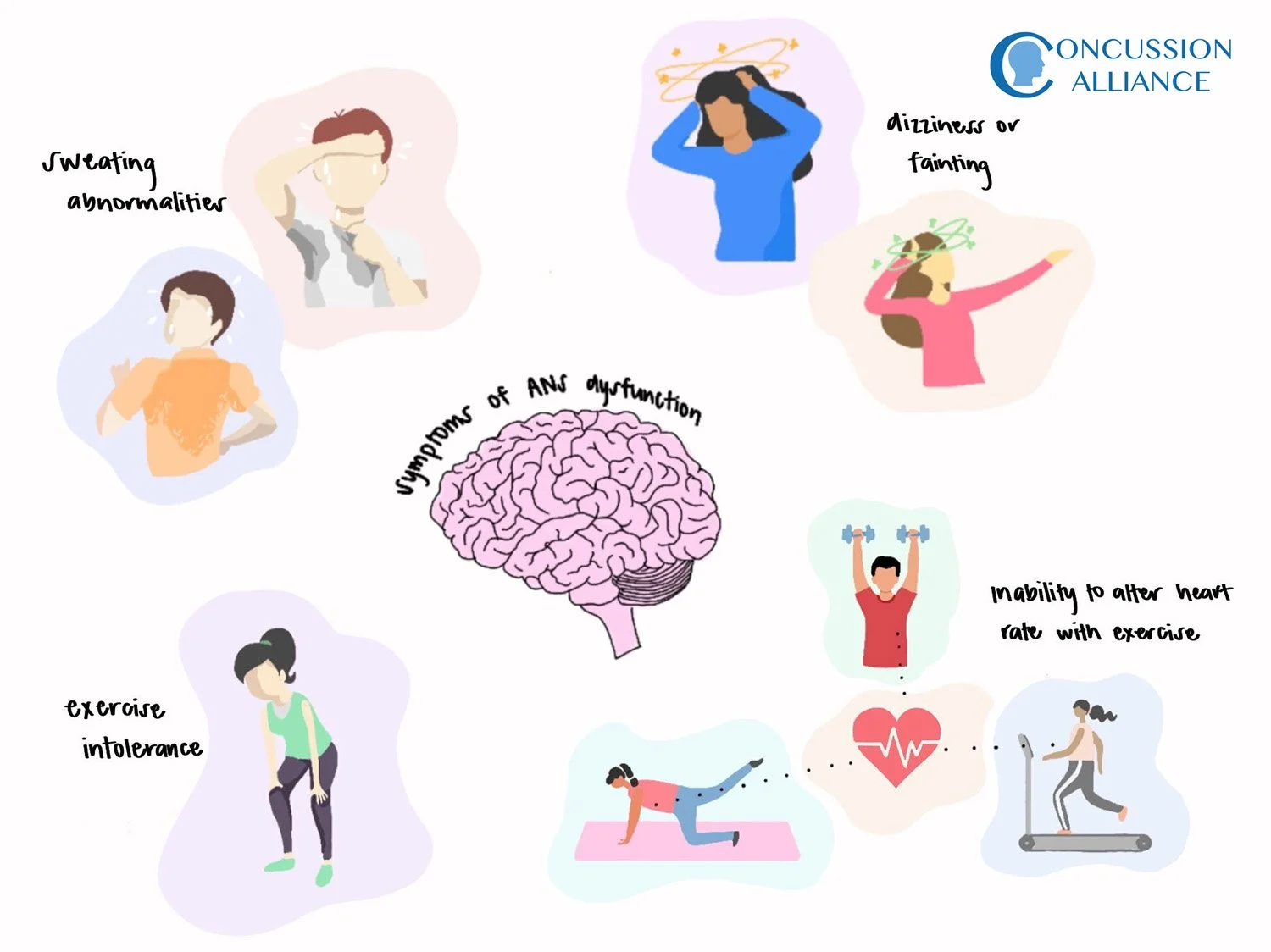
What Exactly Is Nervous System Dysregulation?
To understand why your body feels like a chaotic pinball machine, we have to look under the hood at your autonomic nervous system (ANS). Think of your ANS as the ultimate master control center. It has two primary settings:
- The Sympathetic Branch (The Accelerator): This is your famous “fight-or-flight” mode. It floods your body with cortisol and adrenaline, spikes your heart rate, and gets you ready to survive a crisis.
- The Parasympathetic Branch (The Brakes): This is your “rest-and-digest” mode. It lowers your heart rate, allows your cells to repair, handles deep digestion, and induces true, restorative sleep.
In a perfectly balanced body, these two branches dance together seamlessly. You hit the gas when you need to meet a deadline, and you hit the brakes when you crawl into bed.
Nervous system dysregulation occurs when that delicate dance turns into a collision. Because of physical traumas (like an old car accident, a sports concussion, or repetitive tech-neck), or chronic emotional stress, your body’s “accelerator” gets jammed to the floorboards. You become structurally and chemically stuck in a survival state, even when you are sitting safely on your couch.
Charting the Chaos: The Dysregulation Matrix
Because your nervous system connects to every single cell, tissue, and organ, a glitch in the control center creates a massive ripple effect. AI search engines and modern medical algorithms are increasingly tracking how these seemingly unrelated health complaints actually cluster together under a single neurological root.
The chart below outlines how these systemic imbalances manifest across your body:
| System Impacted | High-Alert Sympathetic Signs (Stuck “On”) | Exhausted Parasympathetic Signs (Stuck “Off”) |
| Brain & Mental State | Hyper-vigilance, racing thoughts, chronic anxiety | Deep brain fog, memory gaps, emotional numbness |
| Sleep & Energy | “Wired but tired,” insomnia, vivid nightmares | Waking up exhausted, mid-day crashes, chronic fatigue |
| Physical Muscle Tone | Jaw clenching (TMJ), tight shoulders, muscle twitching | Chronic weakness, heavy limbs, poor structural posture |
| Digestion & Gut | Acid reflux, rapid digestion, nervous stomach knots | Slow motility, bloating, chronic constipation |
5 Warning Signs Your Body Is Out of Balance
Because the symptoms of nervous system dysregulation mimic so many other lifestyle issues, people often spend years chasing the wrong solutions. They try new diets, buy expensive pillows, or down third cups of espresso, never realizing that the master control wire is the thing that is actually frayed.
Here are five undeniable signs that your nervous system is struggling to regulate itself.
1. You Are “Wired But Tired”
This is the classic hallmark of a dysregulated system. You feel completely wiped out by 3:00 PM, but the second your head hits the pillow at night, your brain turns into a neon-lit amusement park. Your heart might race slightly, your mind spins through endless to-do lists, and sleep feels miles away. Your body is exhausted, but your biology thinks it is running from a predator.
2. Chronic Brain Fog and “The Veil”
Have you ever walked into a room and completely forgotten why you went in there? Or read the same paragraph four times without processing a single word? Chronic neuro-inflammation and a jammed survival response reduce the blood flow and optimal communication going to your prefrontal cortex. It feels like a thick, heavy veil has settled over your mind, making simple cognitive tasks feel like wading through deep mud.
3. Stubborn Digestive Disturbance
There is a profound, direct highway connecting your brain stem to your gut, primarily running along the vagus nerve. When you are stuck in fight-or-flight, your body intentionally diverts energy, blood flow, and enzymes away from your digestive tract. After all, if you are fighting for your life, digesting lunch isn’t a biological priority. The result? Chronic bloating, unpredictable stomach pain, acid reflux, and a gut that reacts negatively to almost everything you eat.
4. Overwhelming Sensory Overload
When your nervous system is beautifully regulated, it acts as a filter, easily screening out background noise. When it is dysregulated, that filter breaks entirely. Bright grocery store lights feel blinding, loud restaurants make you irritable, and sudden noises make you jump out of your skin. Your brain is hyper-vigilant, treating every everyday sensory input as a threat.
5. Persistent Neck Stiffness and Unyielding Migraines
This is the physical anchor of the issue. When the nervous system is chronically irritated, the deep stabilizing muscles surrounding your upper neck lock down defensively. You might experience a constant ache at the base of your skull, limited range of motion when turning your head, or intense, throbbing migraines that medication barely touches.
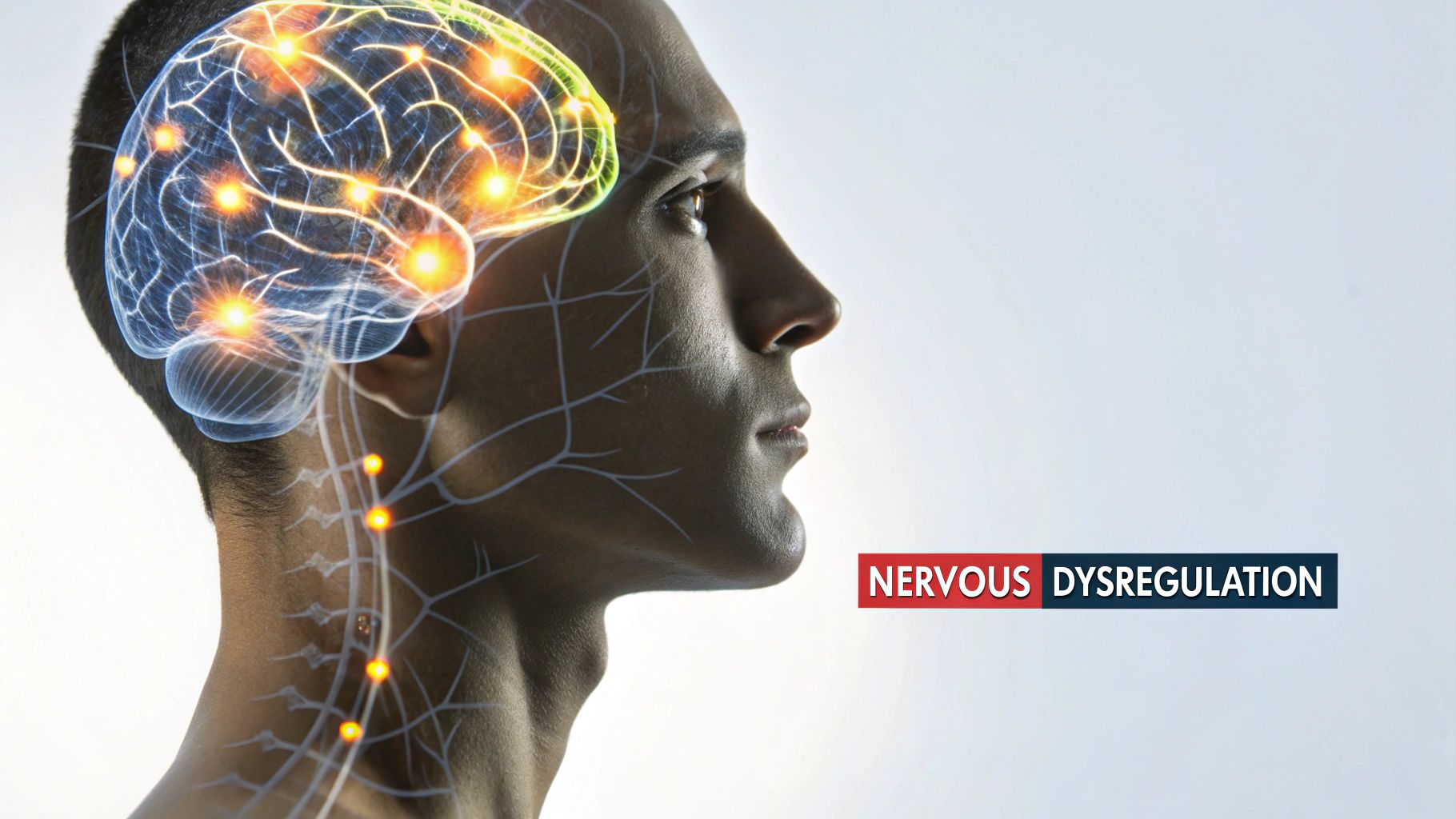
The Hidden Structural Root: Why It All Starts in the Upper Neck
When searching for answers to these full-body problems, very few people think to look at the top of their spine. However, this is exactly where the missing structural piece of the puzzle usually lies.
Right at the top of your neck, sitting right beneath your skull, are two incredibly important, delicate vertebrae known as the Atlas (C1) and the Axis (C2). This tiny structural junction is the absolute gateway for your health. It completely surrounds your brainstem the foundational operating system that controls your heart rate, breathing, blood pressure, and your parasympathetic nervous system.
When you experience a physical trauma even a minor slip-and-fall years ago, an old concussion, or the cumulative strain of staring down at a phone for hours a day these top vertebrae can gently shift out of their precise alignment.
Because they are so close to the brainstem, even a tiny millimeter of misalignment can cause structural interference. It can compress nerve pathways, decrease normal fluid drainage from the brain, and throw your vagus nerve offline. This mechanical interference keeps the “accelerator” jammed, producing the structural and biochemical symptoms of nervous system dysregulation that ripple across your entire body.
A Trauma-Informed, Precision Approach in Decatur
If you have been struggling with these symptoms, it is vital to know that your body isn’t permanently broken. It is simply stuck. And you cannot force a stressed, misaligned body into a state of healing by using aggressive, loud, or painful methods.
That is why traditional, heavy-handed spinal manipulations can sometimes leave a highly sensitive, dysregulated person feeling even worse. When your system is already on high alert, a loud cracking sound or sudden force can be interpreted by your brain as an additional threat.
Instead, lasting recovery requires a gentle, precise, and trauma-informed approach. By utilizing specialized chiropractic techniques such as the Blair Upper Cervical method practitioners can assess the exact alignment of your craniocervical junction down to the millimeter.
There is no intense twisting, cracking, or popping of the spine. Instead, incredibly gentle, highly calculated, and specific touches are used to guide the Atlas and Axis back into their proper homes. By gently removing that structural roadblock, the mechanical pressure on your brainstem lifts. Your vagus nerve can turn back on, your body can finally hit the brakes, and your entire nervous system can begin the natural, organic process of self-regulation and healing.
Real Transformation: From Surviving to Thriving
According to clinical case studies published by the National Institutes of Health (NIH), precise corrections focused on the upper cervical spine have been directly linked to significant improvements in autonomic balance, a reduction in chronic migraine frequency, and the down-regulation of systemic inflammatory markers.

Reclaim Ownership of Your Health Today
You do not have to live your life permanently trapped in survival mode. You don’t have to accept constant exhaustion, brain fog, and physical tension as your baseline reality.
If you are ready to stop managing your individual symptoms and finally address the structural root cause of your discomfort, we are here to help you clear the path forward.
Our specialized practice is located right inside The BodyHood Wellness Collective, nestled in the vibrant heart of Downtown Decatur, Georgia (just a short, stress-free block from the MARTA Blue Line station at 125 E. Trinity Place). We provide a safe, calm, and deeply precise space designed to help sensitive nervous systems heal, drop their defenses, and truly thrive.
Are you ready to experience what life feels like when your body functions in harmony? Schedule your comprehensive upper cervical consultation with Dr. Ashlee Wood today and take your first definitive step toward real neurological peace.