

What is the Vagus Nerve? How Neck Misalignments Cause Nervous System Dysregulation
In our fast-paced modern world, chronic stress, anxiety, and physical exhaustion have become all too common. Many individuals struggle with persistent symptoms like digestive issues, elevated heart rates, and a constant feeling of being “on edge,” yet traditional medical evaluations often turn up no clear answers. When looking for answers on how to calm the nervous system, the search frequently leads to a deeper look into the body’s master controller of relaxation: the vagus nerve.
The nervous system relies heavily on clear, unobstructed communication pathways between the brain and the body. When these pathways are disrupted by structural issues, particularly in the upper cervical spine, it can trigger chronic autonomic imbalance. Understanding the structural relationship between your neck alignment and your vagus nerve is a critical step toward achieving true neurological balance and lasting wellness.

The Nervous System: Balance vs. Dysregulation
The table below outlines the core differences between a healthy, balanced autonomic nervous system and one experiencing structural dysregulation.
| Autonomic State | Primary Drivers | Key Physical Indicators |
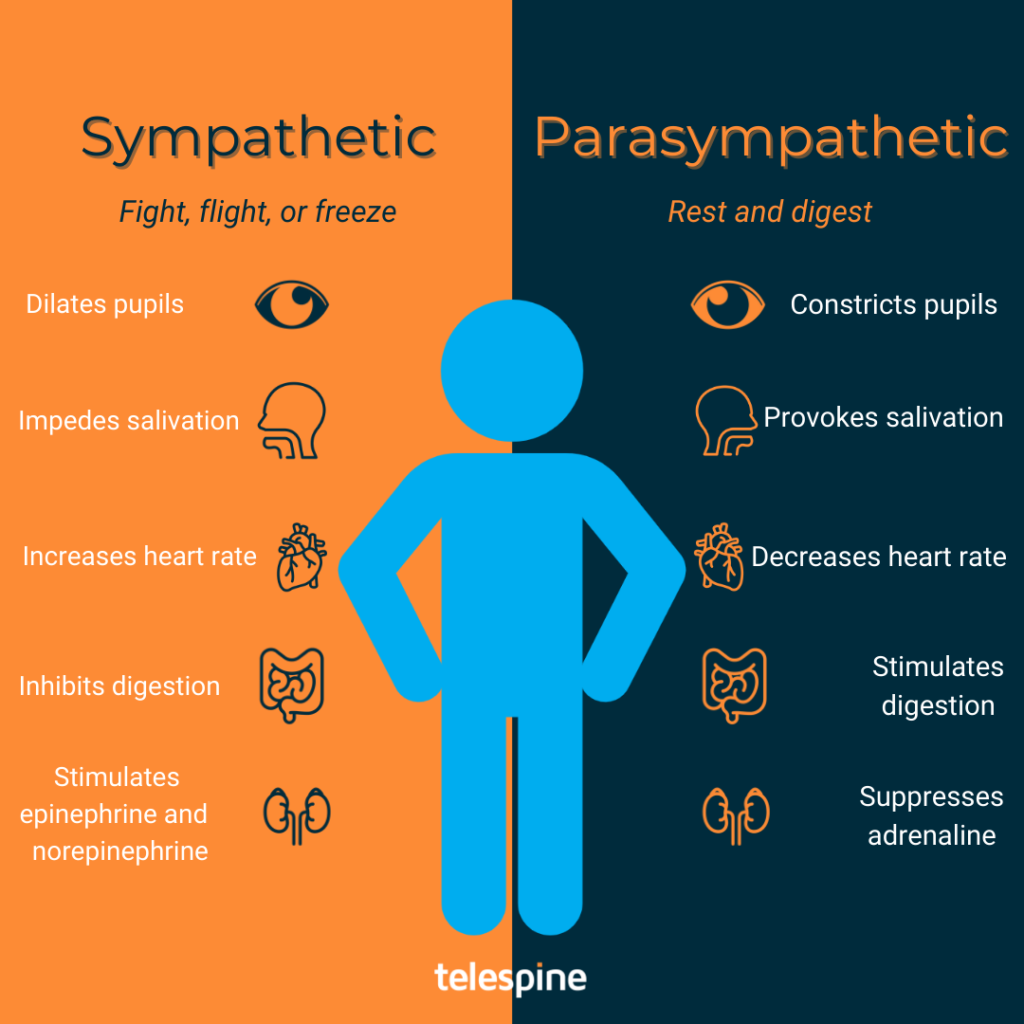
| Balanced (Vagal Tone) | Optimal upper cervical alignment; unimpeded vagus nerve signaling. | Stable heart rate, smooth digestion, deep sleep, clear mental focus. |
| Dysregulated (Sympathetic Dominance) | Upper cervical subluxation; mechanical compression of cranial nerves. | Chronic anxiety, brain fog, acid reflux, elevated pulse, poor recovery. |
Anatomy of the Vagus Nerve and Upper Cervical Connection
The vagus nerve is also known as Cranial Nerve X. It is the longest and most complex cranial nerve in the human body. It begins in the brainstem and travels downward through the neck. From there, it branches out to regulate your heartbeat, lungs, and digestive tract. It serves as the primary highway for the parasympathetic nervous system. This system controls the “rest and digest” responses that quiet your fight-or-flight instincts.
Because of this unique path, the nerve passes right next to the top two neck bones. These bones are called the atlas (C1) and axis (C2) vertebrae. This tight structural junction makes the nerve vulnerable to upper cervical misalignments. Poor posture, car accidents, or physical trauma can cause these vertebrae to shift.
A shift creates mechanical pressure on the brainstem and vagus nerve. This structural interference actively disrupts vital nerve signals. As a result, the body stays trapped in a state of survival or sympathetic dominance.

Signs of Autonomic Overdrive and Vagal Dysfunction
When structural misalignments compromise vagal nerve function, the brain struggles to signal the body to calm down. This breakdown in communication often leads to systemic symptoms that impact multiple organs simultaneously. Individuals experiencing this type of neuro-structural distress often encounter:
- Digestive Disruption: Because the vagus nerve directly stimulates stomach acid production and intestinal motility, irritation can manifest as chronic bloating, constipation, or gastroesophageal reflux disease (GERD).
- Cardiovascular Imbalance: A healthy vagus nerve acts as a natural brake to slow down your heart rate. Without this regulating signal, individuals may experience sudden heart palpitations, unprovoked anxiety, or resting tachycardia.
- Chronic Inflammation: The vagus nerve plays a pivotal role in activating the body’s anti-inflammatory pathways. When its signaling is dampened, systemic inflammation can spike, leading to joint pain, brain fog, and chronic fatigue.
Addressing these symptoms effectively requires looking beyond short-term fixes and focusing on the underlying structural cause of the neurological interference.
How to Calm the Nervous System by Restoring Structural Alignment
Many traditional recommendations for stress management focus on sensory inputs, such as deep breathing exercises, meditation, or spending time in nature. While these practices are excellent for general wellness, their effectiveness can be limited if a physical, structural misalignment is continuously irritating the nerve pathways. True neurological peace requires a combination of structural correction and somatic support.
Upper cervical chiropractic care focuses specifically on analyzing and gently correcting misalignments of the atlas and axis vertebrae. By utilizing precise, non-invasive adjustments to restore proper alignment to the upper neck, the mechanical pressure on the brainstem and vagus nerve is relieved. This structural restoration reopens the lines of communication between your brain and internal organs, allowing your body to naturally transition out of survival mode and into a healing state.
Beyond structural care, integrating daily lifestyle habits can help reinforce a resilient nervous system. Practicing slow, diaphragmatic breathing where your exhalations are longer than your inhalations directly stimulates the vagal response to lower your heart rate. Gentle somatic movements, cold water face immersion, and mindful humming or chanting can also stimulate the muscles around the vocal cords that are heavily innervated by the vagus nerve, providing immediate sensory feedback to help quiet an overactive fight-or-flight response.
According to a clinical study published by the National Institutes of Health (NIH), non-invasive stimulation of the vagus nerve has been shown to effectively modulate the autonomic nervous system, significantly reducing systemic inflammatory responses and helping to restore proper cardiovascular and gastrointestinal balance.
A Holistic Approach to Neurological Wellness
Achieving a peaceful, balanced body requires evaluating the intersection of structural alignment, neurological health, and daily stress management. When the upper spine is properly aligned, your natural self-regulating mechanisms can function without interference, making your daily relaxation practices substantially more effective.
At Dr. Ashley Wood, the primary focus is exploring the root structural causes of chronic neurological stress and autonomic imbalance. By evaluating the precise alignment of the upper cervical spine, tailored care plans help individuals remove the physical barriers keeping their bodies in a state of constant survival. Discover how addressing the upper neck can restore your vagal tone, alleviate chronic discomfort, and provide a clear path forward.